
Building Tomorrow: The Art, Science, and Human Impact of Modern Construction
Introduction: Foundations Beyond Brick and Mortar
Construction is far more than the visible spectacle of cranes, scaffolding, and raw materials shaped into towering buildings and sprawling bridges. It is a timeless craft and a forward-looking science, intertwined with human progress, societal evolution, and economic vitality. From ancient pyramids to sleek skyscrapers, construction has always stood as a testament to what humanity can envision and realize when imagination meets engineering.
A Glimpse into History: The Evolution of Building
The story of construction is inseparable from the story of civilization itself. Early humans built rudimentary shelters from stone, timber, and mud, learning to adapt structures to withstand climate and terrain. Over centuries, techniques evolved, from the Roman mastery of arches and concrete to the ornate cathedrals of medieval Europe that pushed the limits of height and ornamentation.
The Industrial Revolution propelled construction into a new era, introducing iron, steel, and mechanized tools. Skyscrapers emerged in the late 19th century, forever transforming urban skylines. Today, the industry stands at the forefront of technological and environmental innovation, balancing durability, beauty, and sustainability in unprecedented ways.
What Defines Modern Construction
Modern construction is an intricate orchestration of design, engineering, management, and labor. It merges traditional craftsmanship with cutting-edge technology to create structures that serve both functional and aesthetic purposes. The scope is vast, covering residential, commercial, industrial, and civil infrastructure projects.
Key aspects that characterize today’s construction include:
-
Sustainability: The industry increasingly embraces green practices, using renewable materials, energy-efficient systems, and waste reduction techniques.
-
Advanced Materials: Innovations such as self-healing concrete, cross-laminated timber, and lightweight composites are transforming possibilities.
-
Technology Integration: Building Information Modeling (BIM), drones, and AI-enhanced planning tools streamline design, improve accuracy, and reduce costly errors.
-
Safety Standards: Rigorous health and safety protocols protect workers in one of the world’s most hazardous occupations.
The Construction Workforce: Masters of Their Craft
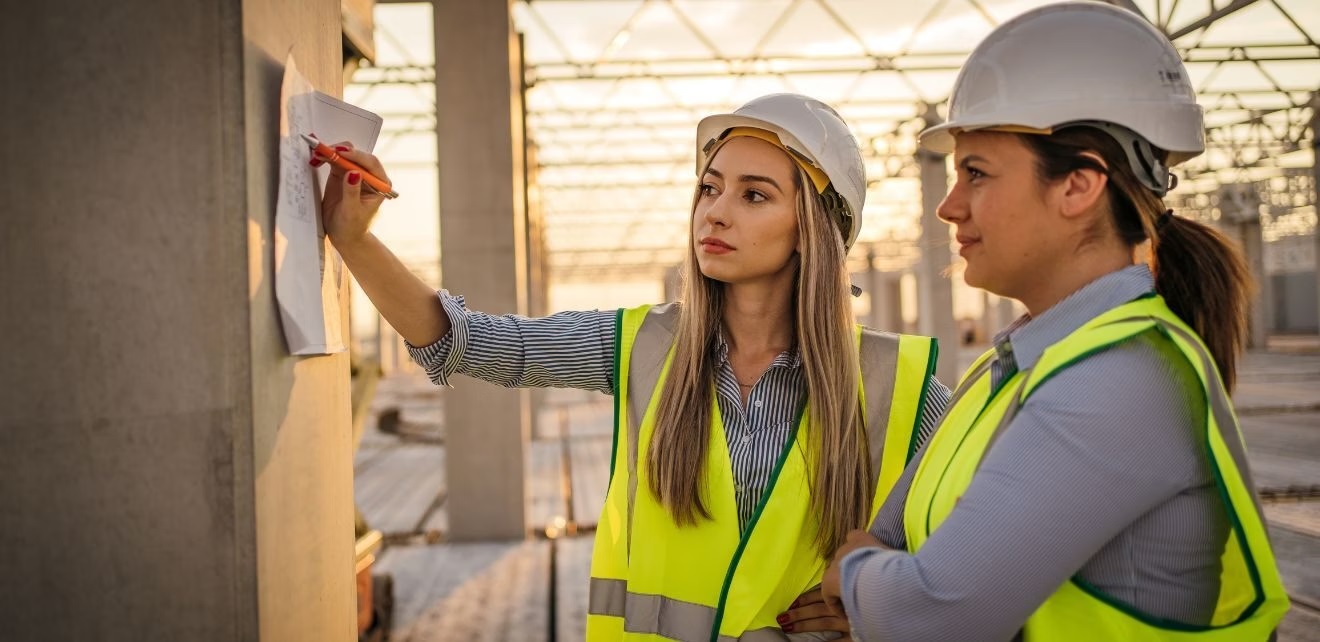
Behind every completed project is a diverse workforce whose skills and dedication breathe life into blueprints. From architects and civil engineers to masons, electricians, welders, and site managers, construction relies on the expertise and collaboration of many hands and minds.
While machinery and robotics increasingly assist, the human touch remains irreplaceable in many facets of construction. The precision of a seasoned carpenter, the problem-solving skills of an onsite supervisor, and the coordination of large crews all contribute to turning designs into durable, inhabitable spaces.
Sectors Within Construction
To appreciate the breadth of the industry, it helps to distinguish its major sectors:
Residential Construction
Homes, apartment complexes, and housing developments fall under this category. Residential construction often demands sensitivity to aesthetics, sustainability, and community integration.
Commercial Construction
This includes office buildings, shopping centers, hotels, and entertainment venues. Such projects typically emphasize functionality, modern amenities, and high footfall durability.
Industrial Construction
Factories, power plants, and refineries are hallmarks of this sector. These projects prioritize scale, technical requirements, and compliance with strict industrial regulations.
Infrastructure and Civil Works
Bridges, highways, dams, and public transit systems shape the backbone of modern society. These undertakings are feats of engineering that impact millions of people daily.
The Challenges that Shape the Industry
While construction remains a vital driver of economic growth, it is not without its formidable challenges. Some persistent hurdles include:
-
Cost Overruns: Complex projects often encounter unexpected delays, resource shortages, or design changes that inflate budgets.
-
Skilled Labor Shortage: Many regions face a dwindling supply of trained workers as older generations retire and fewer young people enter the trades.
-
Environmental Impact: Construction is a significant source of carbon emissions and resource consumption. Meeting ambitious sustainability goals requires industry-wide transformation.
-
Regulatory Complexity: Navigating permits, safety codes, zoning laws, and environmental assessments demands meticulous attention and expertise.
Innovation: Pioneering the Future of Construction
In response to these challenges, the industry is embracing a wave of transformative solutions. Modern construction sites might use 3D printing to fabricate entire building sections, drones for surveying and inspection, or robotics for repetitive tasks like bricklaying.
Sustainability initiatives are at the forefront. Net-zero energy buildings, green roofs, rainwater harvesting systems, and recycled materials are increasingly standard features rather than novelties. Modular construction—where sections are prefabricated offsite and assembled onsite—promises faster build times, cost savings, and reduced waste.
Social Impact: Building Communities, Shaping Lives
Beyond its economic and technological dimensions, construction profoundly influences how people live, work, and connect. Well-designed public spaces, resilient housing, and efficient transportation networks uplift communities and enable cities to thrive.
Responsible construction respects local cultures, minimizes displacement, and enhances the quality of life. In developing regions, construction projects can be engines of upliftment, providing employment, skills training, and critical infrastructure that catalyze broader social progress.
Traits of a Resilient Industry
What keeps the construction industry resilient through booms and busts is its adaptability. Seasoned professionals understand that flexibility, innovation, and unwavering commitment to safety and quality are non-negotiable. Strong leadership, clear communication, and respect for deadlines turn ambitious visions into landmarks that endure.
Conclusion: Building a Legacy
Construction is much more than an economic sector—it is the physical manifestation of human vision and endeavor. It transforms empty lots into family homes, barren landscapes into bustling cities, and grand ideas into concrete reality. As society’s needs evolve, so too will the art and science of construction, continuously reshaping our world one beam, one brick, and one blueprint at a time.
In the end, every building tells a story—not just of architects and engineers but of countless hands that labored, solved problems, and overcame obstacles to create something lasting. As we gaze at skylines old and new, we are reminded that construction is not just about structures; it is about people, progress, and the enduring belief that with the right tools and vision, we can build a better tomorrow.

Hiring A Compactor For A Property Development
December 16, 2021
Comments are closed.
-

-

-

Best Areas to Buy Property in Dubai for High ROI in 2026
December 11, 2025
Latest Posts
-

Warning Signs Your Boiler Needs Replacing
September 28, 2026 -

Buying a Villa in Dubai: How to Choose the Right Community and Property
September 2, 2026 -

-

-

The Future of the Rental Market: Trends to Watch
July 18, 2026
Recent Posts
- Warning Signs Your Boiler Needs Replacing September 28, 2026
- Buying a Villa in Dubai: How to Choose the Right Community and Property September 2, 2026
- Building a Home in a Growing Community: A Practical Guide to Buying Land and Planning Your Build September 2, 2026
- The Strategic Growth of Real Estate: Spotlight on Leading Developers in Abu Dhabi and the Bashayer Masterplan August 11, 2026
- The Future of the Rental Market: Trends to Watch July 18, 2026
Categories
- Apartments (11)
- Broker (7)
- construction (3)
- Featured (1)
- House Selling (34)
- Investment (6)
- News (8)
- Property (24)
- Real Estate (32)
- Rent (6)