How to Choose Between an Apartment and a House
Deciding where to live is one of the most significant financial and lifestyle choices you will make. Whether you are renting your first home, buying your primary residence, or downsizing after years of homeownership, the debate between choosing an apartment or a single-family house comes down to your personal priorities, current financial standing, and long-term goals.
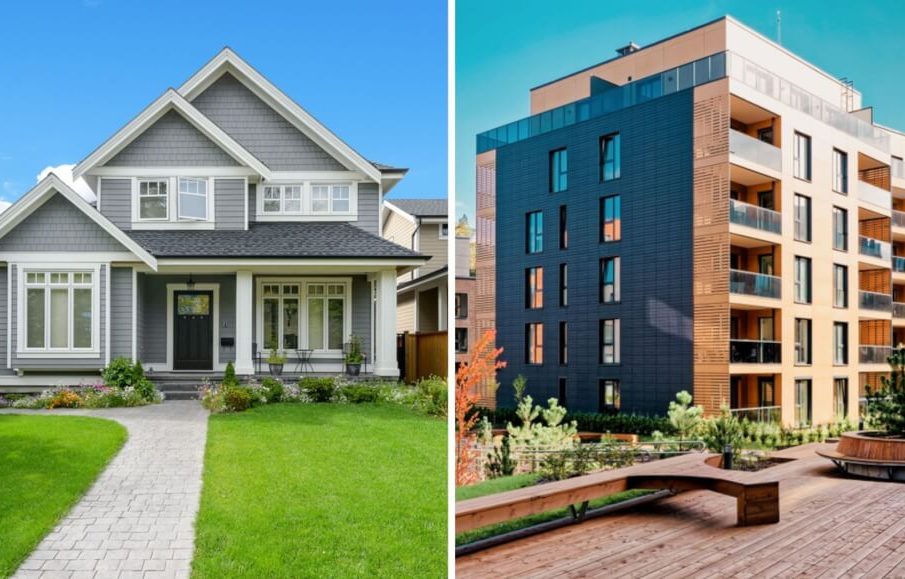
While houses are traditional symbols of independence and space, apartments offer unmatched convenience and predictability. Neither option is universally superior. Instead, the right choice depends on how you weigh factors like maintenance responsibilities, budget flexibility, privacy, location, and community living. Understanding the nuanced differences between these two housing types allows you to make an informed choice that best suits your lifestyle.
Financial Considerations and True Costs
At first glance, comparing rent payments or purchase prices might make one option look clearly cheaper than the other. However, evaluating the total cost of housing requires looking beyond the base monthly mortgage or rent payment.
-
Upfront Costs: Purchasing or renting a single-family house generally demands higher upfront capital. Buying a house requires a substantial down payment, closing costs, home inspections, and immediate moving expenses. Leasing or buying an apartment typically involves lower initial cash outlay, making entry easier for first-time buyers or renters.
-
Predictability of Monthly Expenses: Apartments offer greater financial stability. Utility bills are usually lower because shared walls conserve heat and cooling. In rented apartments, major repair bills fall on the landlord. In a house, unexpected costs like replacing a leaky roof, servicing an HVAC system, or repairing a water heater fall entirely on the homeowner.
-
HOA Fees versus Home Maintenance: Condominium or apartment buildings often charge Homeowners Association (HOA) or amenity fees. These fees cover shared repairs, exterior building upkeep, and communal spaces. Single-family homes might avoid HOA fees depending on the neighborhood, but you must independently budget roughly one to two percent of the home value annually for ongoing maintenance.
-
Property Taxes and Insurance: Property taxes on single-family homes are generally higher due to the land value. Homeowners insurance for a house is also noticeably more expensive than renter’s insurance or condo insurance for an apartment, given the broader structural coverage required.
Maintenance, Repairs, and Upkeep
The amount of time and effort you want to spend maintaining your property is often the decisive factor when choosing between a house and an apartment.
A single-family house grants complete ownership of the property, including the yard, driveway, roof, and structural envelope. While this allows freedom, it also brings a continuous list of chores. Homeowners spend weekends mowing lawns, clearing snow, cleaning gutters, trimming trees, and managing pest control. If something breaks inside or outside the house, you must fix it yourself or coordinate and pay for a contractor.
Apartments offer low-maintenance living. Property management teams or HOA staff handle exterior maintenance, landscaping, snow removal, and structural upkeep. For renters, internal repairs are handled via a simple maintenance request. This hands-off approach frees up valuable weekend time and removes the physical labor associated with home care, making apartments appealing to busy professionals, frequent travelers, and retirees.
Space, Privacy, and Customization
If personal space, privacy, and full autonomy over your property top your list of requirements, a single-family home holds a clear advantage over an apartment.
-
Living Space and Storage: Houses consistently offer more interior square footage, larger closets, full attics, basements, and attached multi-car garages. This extra room is ideal for growing families, people working from home who need dedicated offices, or individuals with space-heavy hobbies.
-
Private Outdoor Areas: Having a fenced yard provides a private oasis for entertaining, gardening, hosting outdoor dinners, or letting pets run freely without a leash. In contrast, apartment outdoor spaces are usually limited to small private balconies or shared community courtyards.
-
Acoustic Privacy: Living in an apartment means sharing walls, floors, or ceilings with neighbors. Noise from footfalls, televisions, or late-night conversations can travel through shared structures. Houses provide physical buffer zones between properties, resulting in greater peace and quiet.
-
Freedom to Renovate and Customize: Owning a house allows you to renovate, repaint, alter floor plans, add additions, or landscape without needing approval from a landlord or building board. Apartments place strict limits on structural changes, interior alterations, and exterior decorations.
Location and Access to Amenities
Your housing choice directly influences your lifestyle, daily commute, and proximity to neighborhood attractions.
Apartments are overwhelmingly concentrated in dense urban centers, transit-oriented developments, and vibrant commercial corridors. Living in an apartment often puts you within walking distance of restaurants, grocery stores, cafes, nightlife, and public transportation. Furthermore, many modern apartment complexes provide on-site lifestyle amenities like fitness centers, swimming pools, co-working lounges, package lockers, and pet washing stations.
Houses are most commonly located in suburban neighborhoods or rural areas. Suburban residential areas prioritize quiet streets, lower density, family-oriented environments, and proximity to top-rated public schools. However, this suburban setting frequently requires a longer daily commute and total reliance on a personal vehicle for errands, work, and entertainment.
Evaluating Your Lifestyle Fit
Before deciding between an apartment and a house, perform a practical audit of your day-to-day habits and medium-term plans. Consider the following questions:
If you travel frequently for work or leisure, an apartment provides a lock-and-leave lifestyle without worrying about lawn maintenance or home security while you are away. If you have multiple large dogs or love working in a garden, a house with a private yard serves your daily routine far better.
Consider your timeline over the next three to five years. If your career or personal life involves potential relocations, the flexibility of renting or owning a low-maintenance apartment minimizes moving hassle. If you are seeking long-term stability, neighborhood roots, and space to settle down, purchasing a house aligns better with those goals.
Frequently Asked Questions
Is buying an apartment a good long-term investment compared to a house?
Both options can build equity over time, but single-family houses generally appreciate at a higher rate because you own the underlying land, which holds intrinsic value. Apartments and condos do appreciate, but their value can be influenced more heavily by building management quality, HOA financial health, and local urban housing supply.
How do I evaluate noise levels in an apartment before signing a lease?
Visit the apartment building during peak occupancy hours, such as weekday evenings or weekend afternoons, to gauge realistic sound levels. During your walk-through, listen carefully for noise from hallways, stairwells, and adjacent units. You can also ask management about the building structural design, such as whether floors are constructed with concrete slabs or wood framing.
Are houses always more expensive to heat and cool than apartments?
In most cases, yes. Houses feature larger overall square footage, high ceilings, and four exterior walls exposed to weather elements, requiring more energy to temperature control. Apartments benefit from thermal insulation provided by adjoining units on either side, above, or below, resulting in lower utility consumption.
What should I look for in an HOA board when considering a condo or apartment?
Examine the HOA financial reserve study to ensure the association has adequate savings set aside for major future repairs like roofing, elevators, or plumbing updates. Review recent meeting minutes to see if special assessments have been levied recently and check for any restrictions on leasing, pets, or renovations.
Can I run a business from a single-family house more easily than an apartment?
Generally, yes. Single-family homes offer dedicated space for offices, inventory storage, and private client meetings without disturbing neighbors. However, you must still comply with local municipal zoning laws and residential neighborhood covenants regarding home-based business operations, commercial traffic, and signage.
How does security differ between living in a house versus an apartment building?
Apartment buildings often feature layered security systems, such as gated parking, keycard entry doors, security cameras in common spaces, and sometimes on-site personnel. Houses rely on personal security measures installed by the homeowner, such as smart doorbells, alarm systems, deadbolts, motion-activated floodlights, and perimeter fencing.
What is the average lifespan of major systems in a house that I would need to budget for?
Major home components have predictable operational life spans. Roofs typically last between 15 and 30 years depending on materials, HVAC units last 10 to 15 years, and water heaters last around 8 to 12 years. Owning a single-family house requires keeping a dedicated emergency fund ready to cover these costly replacements as equipment ages.