
Urban Sanctuaries: The Enduring Allure and Subtle Complexities of Apartment Living
Introduction: The Vertical Evolution of Home
In the modern world, where cities ascend ever higher and available land dwindles, the apartment has become more than just a living space — it is a statement of lifestyle, convenience, and urban belonging. Whether perched atop a bustling cityscape or nestled within a quiet suburban complex, apartments encapsulate the rhythm of contemporary life, balancing privacy and community in a way that few other forms of housing can manage.
The Historical Shift Towards Compact Living
Historically, sprawling homes with lush yards symbolized prosperity and freedom. Yet as urban populations swelled, the need for compact, efficient housing brought the apartment into prominence. From the elegant brownstones of New York’s Upper West Side to the chic penthouses overlooking London’s Thames, apartment buildings reflect architectural creativity born out of necessity.
This shift was not merely practical but cultural. As people moved to cities in search of opportunity, apartments became a nexus for diverse communities, often blending cultures and social strata within the same building. This confluence of people and stories transformed apartments from mere shelters to vibrant hubs of urban life.
Designing for Comfort: Modern Apartment Features
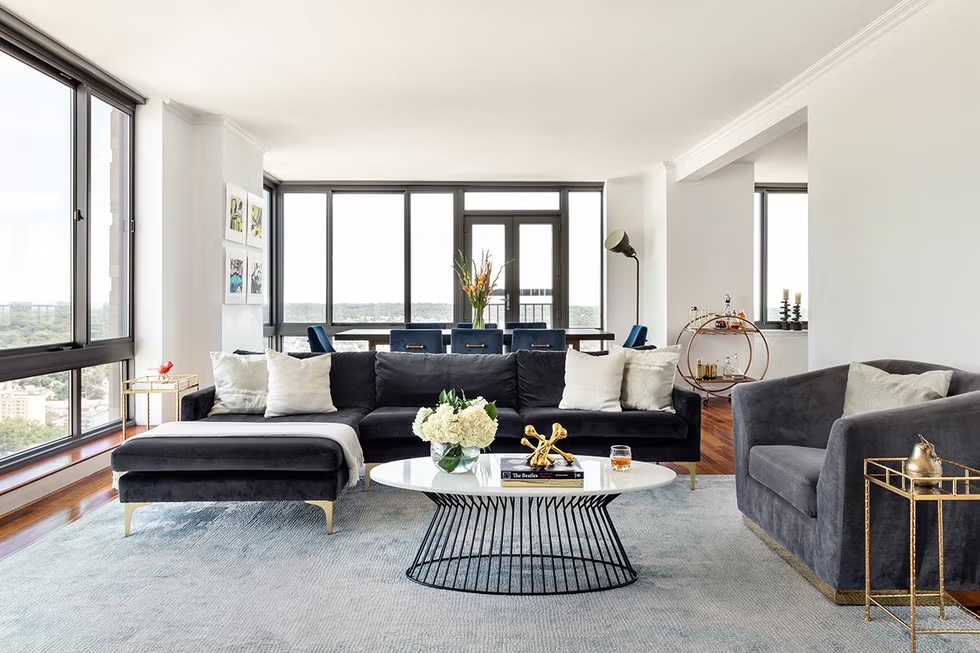
A well-designed apartment does not compromise comfort for space. In fact, the art of apartment living lies in maximizing every square foot without feeling confined. Contemporary architects and interior designers have mastered this balancing act through clever layouts, multifunctional furniture, and the incorporation of natural light.
Key features that define desirable modern apartments include:
-
Open Floor Plans: Removing unnecessary walls creates a sense of spaciousness and flow.
-
Natural Lighting: Large windows, balconies, and skylights foster a connection with the outdoors.
-
Smart Storage Solutions: Built-in cabinetry, hidden compartments, and modular furniture keep clutter at bay.
-
Sustainable Materials: Eco-friendly finishes and energy-efficient appliances appeal to environmentally conscious residents.
Community Within Walls
One of the understated yet profound aspects of apartment living is the community it cultivates. While single-family homes often stand alone, apartments inherently encourage interaction. Shared lobbies, elevators, mailrooms, and communal amenities such as gyms, gardens, or rooftop terraces become organic meeting points for residents.
This proximity can lead to lasting friendships, spontaneous gatherings, and a sense of security that comes from knowing your neighbors. In many ways, apartments reinvent the village concept within the confines of urban architecture.
Lifestyle Amenities: Beyond Four Walls
Today’s premium apartment complexes often offer amenities that rival luxury resorts. Developers recognize that residents desire not only a private dwelling but an extension of lifestyle perks right at their doorstep. Common amenities include:
-
Fitness Centers: Fully equipped gyms save residents time and gym memberships.
-
Rooftop Lounges: Offering panoramic city views, they become spaces for socializing and unwinding.
-
Co-Working Spaces: As remote work flourishes, dedicated work hubs within apartment complexes are increasingly sought after.
-
Concierge Services: From parcel handling to event bookings, these services add a layer of convenience and exclusivity.
Challenges and Trade-Offs
However alluring apartment living may be, it is not without its compromises. Privacy is naturally more limited, with shared walls and communal spaces demanding a measure of courtesy and tolerance. Noise, limited parking, and sometimes strict association rules can test one’s patience.
Moreover, in densely populated cities, affordability remains a growing concern. Many young professionals and families find themselves balancing location, amenities, and square footage within the confines of budget constraints. The ongoing challenge for developers and urban planners lies in creating apartments that are both accessible and aspirational.
Sustainability and the Future of Apartments
Sustainability is no longer optional in the world of modern housing. Apartments, by virtue of shared infrastructure, offer unique advantages in this regard. They typically consume less energy per household compared to standalone homes and can more easily integrate communal green technologies.
Forward-thinking apartment complexes now incorporate solar panels, rainwater harvesting systems, and green roofs. Many buildings aim for certifications such as LEED or BREEAM, which attest to their environmental responsibility. As climate awareness grows, residents increasingly demand these eco-friendly features, aligning their living spaces with their values.
A Canvas for Individuality
Despite their shared structures, apartments remain deeply personal spaces. Inside each unit lies a unique expression of the resident’s tastes, dreams, and stories. Limited space often sparks creativity — transforming a small balcony into a garden nook, or a plain wall into a gallery of art and memories.
Tenants and owners alike adapt their apartments to reflect their evolving lifestyles, often creating miniature sanctuaries that balance the pulse of the city with a private retreat.
Conclusion: The Apartment as a Modern Haven
The apartment has come a long way from its utilitarian origins, now standing as a symbol of modernity, efficiency, and community. For millions across the globe, it represents freedom — freedom from lengthy commutes, freedom to live in the heart of opportunity, and freedom to shape one’s immediate world within the walls of a compact haven.
In a society that is ever-changing, apartments endure as urban sanctuaries — reflections of our collective need to belong, adapt, and thrive amid the skyline’s ever-evolving silhouette. Whether rented or owned, modest or opulent, the apartment remains an intimate testament to the art of living well within shared spaces.
How to Choose Between an Apartment and a House
February 15, 2026
Apartment Amenities That Add Real Value to Your Lifestyle
January 11, 2026
Examine the benefits for residents of Palm Jumeirah apartments
December 26, 2023
Comments are closed.
-

Purchasing a Real Estate Property
December 20, 2019 -

Land in Montenegro: The Secrets of Popularity
September 25, 2019 -

Latest Posts
-

Warning Signs Your Boiler Needs Replacing
September 28, 2026 -

Buying a Villa in Dubai: How to Choose the Right Community and Property
September 2, 2026 -

-

-

The Future of the Rental Market: Trends to Watch
July 18, 2026
Recent Posts
- Warning Signs Your Boiler Needs Replacing September 28, 2026
- Buying a Villa in Dubai: How to Choose the Right Community and Property September 2, 2026
- Building a Home in a Growing Community: A Practical Guide to Buying Land and Planning Your Build September 2, 2026
- The Strategic Growth of Real Estate: Spotlight on Leading Developers in Abu Dhabi and the Bashayer Masterplan August 11, 2026
- The Future of the Rental Market: Trends to Watch July 18, 2026
Categories
- Apartments (11)
- Broker (7)
- construction (3)
- Featured (1)
- House Selling (34)
- Investment (6)
- News (8)
- Property (24)
- Real Estate (32)
- Rent (6)