Understanding What Really Determines Your Home’s Value in France
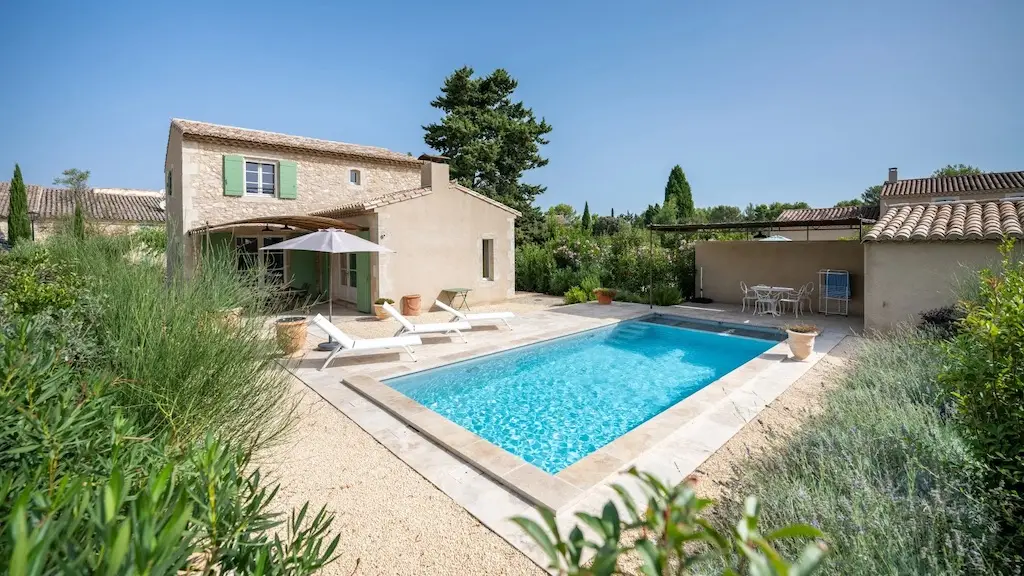
Determining the value of a house in France goes far beyond simply measuring square footage or counting the number of bedrooms. A wide range of factors can significantly influence your property’s worth — some are physical, while others are market-driven or location-based. If you’re trying to assess your home’s maison valeur, understanding these variables is essential whether you’re selling, refinancing, or investing.
If you’re currently reviewing your maison valeur, this article will walk you through the most influential elements that affect a property’s price tag and how to leverage that knowledge to your advantage.
What Exactly Does “Home Value” Mean?
Home value refers to the estimated amount a buyer is likely to pay for your property in the current market. It’s not necessarily the same as your purchase price or the amount listed on your property tax bill.
Types of Home Valuation:
- Market Value: The realistic price buyers would be willing to pay today
- Appraised Value: Issued by a certified property expert (used in loans/legal matters)
- Perceived Value: The subjective worth based on home presentation and buyer interest
The most relevant measure when selling or buying is market value — it’s dynamic and sensitive to external conditions.
The Five Pillars That Influence Home Value
Whether you’re in Paris, Lyon, Bordeaux, or a rural village, the following factors play a critical role in determining your home’s current value:
- Location
This is perhaps the most influential factor. In France, location is not just about geography — it also includes cultural, historical, and lifestyle elements.
Value-boosting location factors:
- Proximity to transport (metros, TGV stations, airports)
- Good school districts and universities
- Quiet and secure neighbourhoods
- Access to shops, healthcare, and entertainment
- Scenic views (coastline, vineyards, mountains)
Homes in central Paris or the French Riviera tend to hold higher value than equally-sized homes in rural regions.
- Property Size and Layout
The size of the property is a straightforward metric, but how space is distributed matters too.
Key Considerations:
- Total habitable area (in square metres)
- Number and size of bedrooms
- Open-plan vs. segmented layouts
- Ceiling height and natural lighting
Large, usable space that flows well generally commands a higher price.
- Condition and Upgrades
A well-maintained home with recent updates is more attractive to buyers.
Areas That Influence Value:
- Modern kitchens and bathrooms
- Updated electrical and plumbing systems
- New roofing, insulation, and windows
- Fresh paint and neutral décor
- Energy-efficient appliances and heating systems
Buyers factor in renovation costs. A home in turnkey condition often sells faster and for more.
- Energy Efficiency and Environmental Ratings
France uses a DPE (Diagnostic de Performance Énergétique) rating system, which can significantly impact market value.
Lower Ratings (G to E):
- Signal high utility costs
- May lead to reduced buyer interest
Higher Ratings (A to C):
- Indicate insulation and energy-conscious design
- Often fetch higher sale prices
Eco-friendly features like solar panels, geothermal heating, or rainwater harvesting systems can also positively affect valuation.
- Recent Comparable Sales
Valuers and real estate agents always look at what similar homes in your area have recently sold for.
Comparative Sales Must Be:
- Within the same postal code or neighbourhood
- Of similar size, layout, and condition
- Sold within the past 6–12 months
French notaires maintain a nationwide database of past sales, offering precise benchmarking.
How to Boost the Value of Your Home
If you’re looking to improve your home’s value before a sale or valuation, consider these strategies:
Minor Upgrades with Big Impact:
- Repaint interior walls in modern, neutral tones
- Replace outdated fixtures and doorknobs
- Add smart lighting or home automation
- Revamp landscaping or add potted plants
Structural Investments:
- Add a terrace or patio
- Install better insulation or double-glazed windows
- Renovate the attic or basement into usable space
The return on investment varies, but energy and space improvements tend to offer the highest payback.
Mistakes That Can Lower Home Value
Common Pitfalls:
- Neglecting repairs (roof leaks, mold, broken windows)
- Over-personalised renovations (bold wall colours, niche décor)
- Outdated or non-compliant electrical and plumbing systems
- Ignoring pest or termite damage in affected zones
Buyers will either lower their offers or walk away if they sense major hidden costs.
When to Reassess Home Value
Your home’s value isn’t static — it evolves with market changes, infrastructure developments, and your own upgrades.
Times to Reevaluate:
- Before selling or renting
- After major renovations
- When taking out a home equity loan
- During estate planning or divorce proceedings
Staying up-to-date allows you to make strategic decisions about your property.
Who Can Help You Determine Home Value?
- Real Estate Agents
Provide free valuations based on experience and comparable sales
- Notaires
Offer legal documentation and access to official sales data
- Certified Appraisers (Experts Immobiliers)
Deliver formal, unbiased reports for legal, tax, or mortgage use
- Online Estimators
Great for a quick reference point, but not legally binding
Using a combination of tools is often the best strategy.
Frequently Asked Questions (FAQ)
Is the notaire’s valuation the same as market value?
Not exactly. Notaires use historical data and provide legal validity. Agents and buyers consider emotional and trend-based pricing.
How often should I check my home’s value?
Ideally every 1–2 years, or after any major change in the home or local market.
Can I challenge a low appraisal?
Yes, especially if it impacts a mortgage or legal outcome. Provide evidence of upgrades, recent sales, or request a second opinion.
Do foreign buyers affect home value?
In popular regions (like Paris or Provence), international demand can drive prices higher. However, foreign interest tends to fluctuate with economic and visa policies.