The Modern Mosaic of Property: Navigating Value, Ownership, and Opportunity
Understanding Property in Today’s World
Property has long been more than mere land or buildings; it is an idea, an aspiration, and often, a legacy. In today’s interconnected economy, property embodies layers of meaning that extend far beyond a plot of earth or a concrete structure. It can represent security, status, and a bridge to future generations. For many, it remains the most significant investment they will ever make—yet its definition has evolved to encompass not only physical spaces but digital realms, intellectual creations, and communal rights. To grasp modern property is to understand its multiple facets, the shifting laws that govern it, and the delicate balance between private ownership and collective benefit.
Historical Perspectives and Shifting Norms
The concept of property has roots in ancient civilization. From feudal land tenure to modern freehold estates, the notion of owning and transferring property has underpinned economies and social structures alike. Over centuries, the right to own property has moved from being a privilege of nobility to a cornerstone of the middle class’s aspirations.
In the industrial age, urbanization transformed property into a commodity that could be bought, sold, or leased. Entire cities sprang up to house workers, factories, and the rising tide of commerce. Today, as we navigate a digital era, new forms of property—like intellectual property, virtual assets, and data rights—sit alongside bricks and mortar, broadening what ownership truly means.
The Anatomy of Property Value
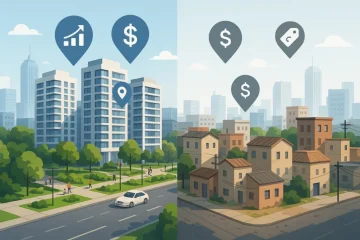
A property’s value is not merely determined by location, though the old adage “location, location, location” holds enduring truth. A home’s worth, a commercial building’s potential, or a parcel of undeveloped land’s promise hinges on a mosaic of factors:
-
Location and Accessibility: Proximity to transportation hubs, schools, workplaces, and urban amenities.
-
Economic Trends: Regional employment rates, business growth, and market confidence.
-
Legal Considerations: Zoning laws, land use restrictions, and ownership rights.
-
Condition and Potential: The state of the structure, architectural appeal, and possibilities for development or renovation.
-
Environmental Factors: Sustainability, green spaces, and susceptibility to natural disasters.
Today, sustainability increasingly influences property value. Buyers seek energy-efficient homes, green certifications, and sustainable building materials—proof that property is not static but responsive to societal shifts.
Property as an Investment Vehicle
Real estate remains a trusted asset class for individual investors and institutional funds alike. Unlike volatile stocks or abstract cryptocurrencies, tangible property offers a sense of solidity. Investors buy, hold, lease, or develop land and buildings to generate returns, protect wealth against inflation, and diversify portfolios.
However, the market is not without risks. Economic downturns, regulatory changes, and unforeseen crises—such as a global pandemic—can expose property investors to uncertainty. Prudent investors therefore balance potential gains with an understanding of liquidity, maintenance costs, and market cycles.
Emerging Trends in Property
The property sector is undergoing profound changes as technology and shifting social norms reshape how we buy, sell, and inhabit spaces.
-
Smart Homes and Buildings: From automated lighting to AI-managed climate control, modern properties increasingly blend comfort with tech-driven efficiency.
-
Co-Living and Co-Working: Urban millennials and remote workers are embracing flexible spaces that emphasize community and affordability over traditional ownership.
-
Digital Property: Intellectual property, digital real estate in the metaverse, and NFTs are redefining the boundaries of what can be owned and monetized.
-
Sustainable Development: Green architecture, renewable energy integration, and low-carbon construction methods are becoming standard expectations rather than luxuries.
Challenges in the Contemporary Property Landscape
Ownership remains a powerful goal, yet it is not accessible to all. Rising housing prices in major cities, speculative bubbles, and limited affordable housing supply threaten to exclude younger generations from stepping onto the property ladder. Meanwhile, climate change poses existential risks to coastal properties and vulnerable communities.
Urban planners, policymakers, and private developers must strike a balance between growth and equity. Innovative solutions, such as mixed-use developments, affordable housing incentives, and community land trusts, seek to make property a tool for inclusive prosperity rather than an instrument of inequality.
Tips for Navigating Property Decisions
Whether you are a first-time homebuyer, seasoned investor, or curious observer, wise property decisions rest on informed choices. Consider the following:
-
Research Thoroughly: Know the neighborhood, future development plans, and historical price trends.
-
Seek Professional Advice: A trusted real estate agent, lawyer, or financial advisor can offer invaluable guidance.
-
Plan for the Long Term: Factor in maintenance, taxes, and potential resale value.
-
Think Sustainability: Eco-friendly features can future-proof your investment and reduce running costs.
-
Understand the Legal Framework: From title deeds to easements, clarity on ownership rights avoids costly disputes later.
Conclusion: The Enduring Allure of Property
Property has always symbolized more than shelter. It is a testament to personal ambition, a marker of societal progress, and often, a vehicle for generational wealth. Yet its meaning continues to expand, shaped by digital revolutions, environmental imperatives, and the collective demand for more equitable access.
To own property today is to stand at the intersection of tradition and transformation. It requires not only capital but insight, adaptability, and a vision for what a home, a building, or even a virtual parcel can become. As the world continues to change, the wise steward of property sees beyond walls and land—to the possibilities that ownership unlocks for individuals and communities alike.