
Replacing a Warehouse Roof While the Business Stays Open
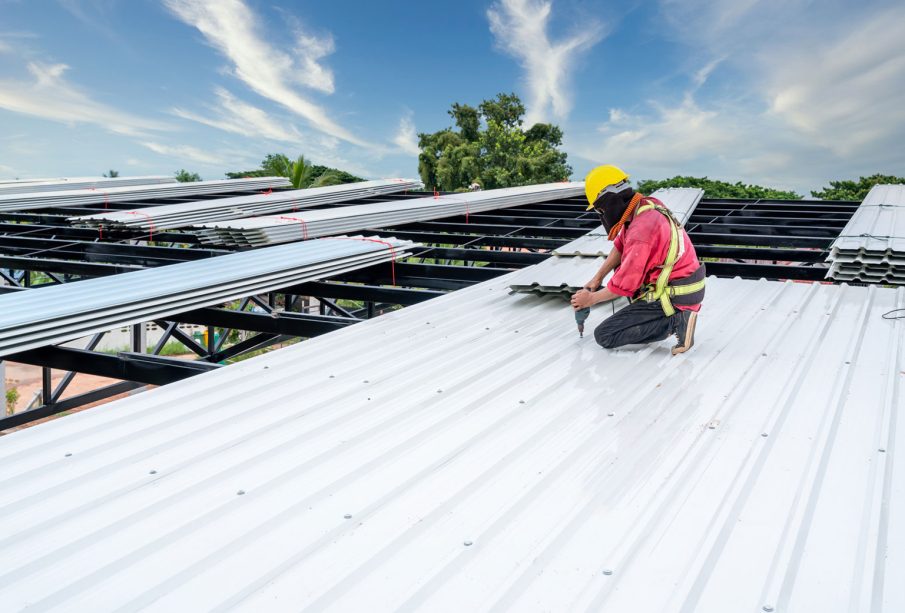
A warehouse roof replacement has to fit around more than the building itself. Trucks still need somewhere to unload, orders need picking and stock needs protecting. Keeping some operations going may be possible, but it starts with working out which activities can safely continue and which need to move or pause.
On Perth industrial roofing projects, the conversation should include the people who understand the working day. A site manager can explain the delivery peaks, forklift routes and areas that cannot simply be cleared at short notice. That information helps the roofing team plan around the operation instead of discovering it on arrival.
Staging is one option to discuss. Replacing sections in a planned sequence may let the business relocate activities as work progresses. It does not mean staff can remain underneath every stage. The contractor and business need to agree on separation, access and protection before deciding that an area will stay in use.
The floor plan can be more revealing than the opening hours. A quiet-looking corner may contain an essential packing station or the only route to a fire exit. Mark the places people and vehicles must reach, then discuss how temporary work zones would affect them. A barrier that solves one access problem should not create another.
Plan the interruptions that are easy to miss
Think about the materials coming in and going out. Long roofing sheets need delivery and handling space, while removed materials need somewhere appropriate to go. If those movements compete with loading activity, timing matters. Agree on the arrangements with the people scheduling customer collections and incoming goods.
Weather needs room in the programme too. Perth offers long dry periods, but a forecast is not a promise that every stage will run as planned. Ask how exposed sections will be managed and what would trigger a change of schedule. Staff need to know how they will hear about an unexpected pause or relocation.
Some activities may need extra consideration even outside the immediate work zone. Tell the contractor about processes sensitive to dust, noise or changes in ventilation, so these can be considered in the programme.
An older roof can bring additional questions about hazardous materials and the condition of the structure underneath. Relevant records and inspections should inform the plan before work begins. If asbestos is identified, specialist arrangements may affect which areas can remain occupied. Keeping the doors open cannot take priority over controlling those risks.
Choose one business contact to coordinate practical changes with the contractor. That person should be able to reach supervisors across shifts and get decisions made about stock or access. A short update before a section changes is far more useful than an email that half the afternoon team never sees.
Before each work zone is handed back, agree how it will be checked and released for normal use. Include the condition of the area below, any affected equipment and the route used to bring stock back. Give supervisors a clear handover so they know which restrictions have ended and which still apply.


